Latte vs Cappuccino: What's the Difference & Which Coffee Is Right for You?
You are standing at the counter. The board says latte. The board also says cappuccino. Both involve espresso and steamed milk. Both look utterly inviting. And yet — somehow — you still are not quite sure which one to order.
Sound familiar?
You are not alone. Latte vs cappuccino is one of the most searched coffee questions in the UK, and yet the difference between them remains genuinely unclear to most people. So today, we are going to settle this once and for all.
In this guide, we break down exactly what a latte is, what a cappuccino is, how they differ in flavour, texture, caffeine, and calories — and most importantly, which one is right for you.
What Is a Latte?
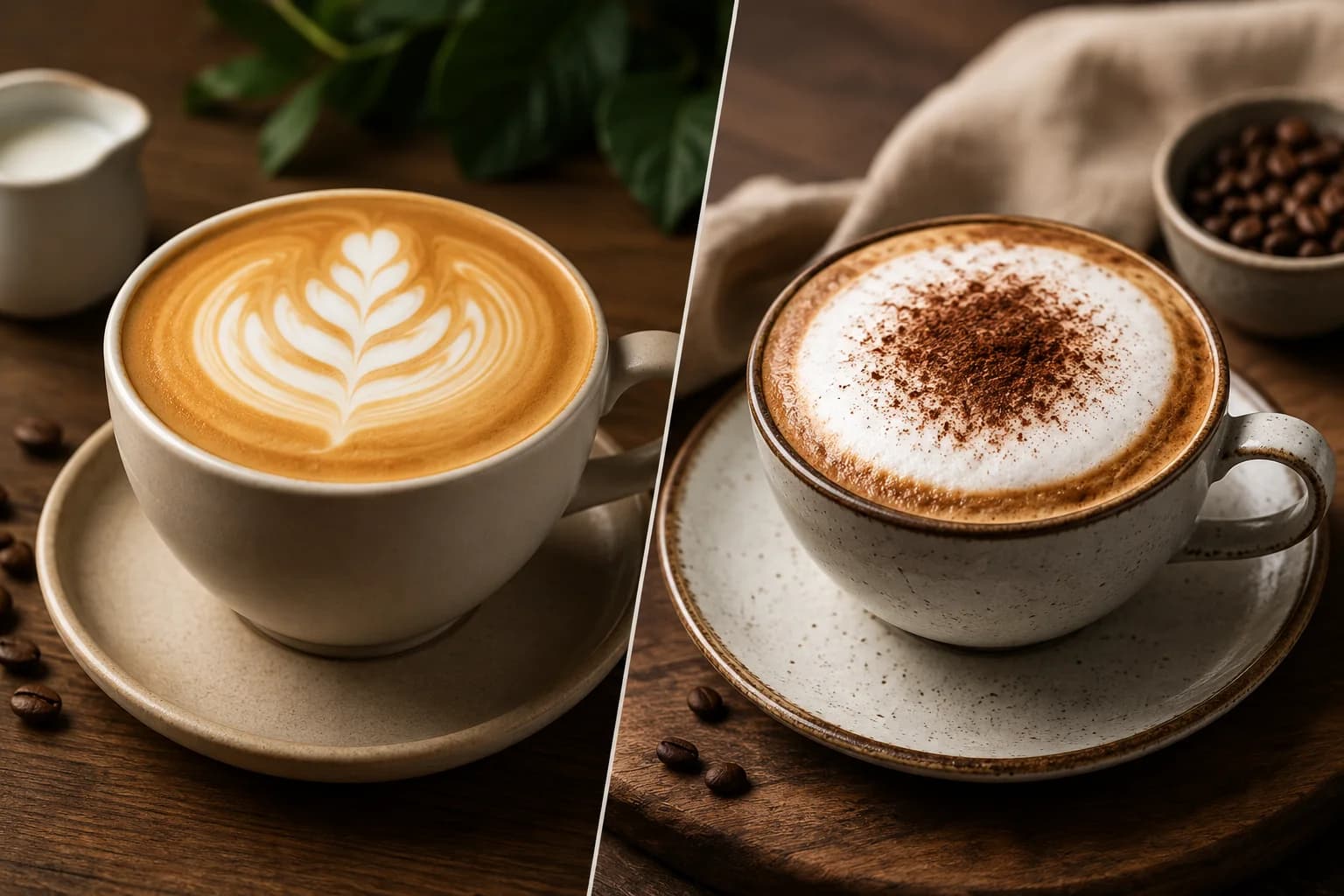
A latte — short for Caffè Latte, meaning "milk coffee" in Italian — is one of the most popular café drinks in the world. It is a smooth, creamy, mellow coffee drink built around a simple but carefully balanced combination of espresso and steamed milk.
A standard latte coffee is made from:
- 1–2 shots of espresso (approximately 30–60ml)
- 150–200ml of steamed milk — creating a silky, velvety body
- A thin layer of milk foam on top — typically 5–10mm
The result is a long, creamy drink with a mild coffee flavour and a gently sweet, rounded character. The high ratio of steamed milk to espresso softens the intensity of the coffee considerably, making a latte one of the most approachable hot coffee drinks for people who find straight espresso too bold.
Lattes are also the canvas for latte art — those beautiful swirls and leaf patterns that skilled barista coffee makers create in the foam. At Amara Bakery, every latte is poured with care and precision using single-origin coffee beans for a consistently exceptional cup.
What Is a Cappuccino?
A cappuccino is a traditional Italian espresso-based drink with equal proportions of espresso, steamed milk, and thick milk foam. It is bolder, stronger, and more textured than a latte — and for many coffee lovers across the UK, it is the gold standard of café drinks.
A classic cappuccino coffee is made from:
- 1–2 shots of espresso (approximately 30–60ml)
- 60ml of steamed milk
- 60ml of thick, dense milk foam on top
The equal three-part structure produces a drink with a much stronger coffee flavour, a noticeably shorter volume, and a distinctive thick foam cap that sits proudly above the rim of the cup. The drier, airier foam in a cappuccino creates a completely different coffee texture compared to the silky microfoam of a latte.
Traditionally, a cappuccino is served in a 150–180ml ceramic cup — smaller than a latte glass — which further concentrates the flavour and enhances the overall experience.
Latte vs Cappuccino - The Core Differences
Now that we know what each drink is, let us compare them directly across the factors that matter most.
Coffee Texture and Milk Ratio
This is the most important difference. A latte contains significantly more steamed milk relative to espresso, creating a smooth, liquid, silky texture throughout. The milk foam on a latte is thin — almost imperceptible — blending seamlessly into the drink.
A cappuccino, by contrast, has a thick, dense layer of milk foam that sits distinctly on top of the drink. The foam is drier and airier, giving the cappuccino a lighter, more textured mouthfeel that is very different from the creamy heaviness of a latte.
Coffee Flavour Intensity
Because a latte contains much more steamed milk, the espresso flavour is considerably softer and more muted. The drink is smooth and approachable, with milk sweetness dominating the experience.
A cappuccino has a more prominent, assertive coffee flavour. With less milk and more foam, the espresso comes through more boldly — making it a more intense experience for your palate. If you genuinely love the taste of espresso and want it to shine through clearly, a cappuccino delivers that more effectively.
Volume and Serving Size
A latte is typically served in a 250–350ml glass or cup — a longer, more leisurely drink.
A cappuccino is served in a smaller 150–180ml ceramic cup — shorter, more concentrated, and traditionally consumed more quickly.
Coffee Texture Comparison at a Glance
| Feature | Latte | Cappuccino |
|---|---|---|
| Espresso shots | 1–2 | 1–2 |
| Steamed milk | ~150–200ml | ~60ml |
| Milk foam | Thin (5–10mm) | Thick and dense |
| Volume | 250–350ml | 150–180ml |
| Coffee flavour | Mild, creamy | Bold, intense |
| Coffee texture | Smooth, silky | Light, foamy |
| Best for | Milk lovers | Espresso lovers |
Latte vs Cappuccino Calories — Which Is Lower?
If you are mindful of your calorie intake, the difference between a latte and cappuccino is worth knowing.
Because a latte contains significantly more steamed milk, it is naturally higher in calories. A standard whole-milk latte made with two espresso shots typically contains approximately 120–180 calories, depending on the milk used and the size of the drink.
A cappuccino, with its smaller volume and higher proportion of airy foam (which contains very little actual milk), typically comes in at approximately 60–120 calories for the same two-shot base.
Key calorie comparison:
| Drink | Whole Milk | Semi-Skimmed | Oat Milk |
|---|---|---|---|
| Latte (regular) | ~150–180 kcal | ~100–130 kcal | ~120–150 kcal |
| Cappuccino | ~80–120 kcal | ~60–90 kcal | ~70–100 kcal |
Values are approximate and vary by cup size and milk type.
If latte vs cappuccino calories is an important consideration for you, the cappuccino is consistently the lower-calorie choice — primarily because it uses less milk overall.
Latte vs Cappuccino Caffeine — Which Has More?
Here is where many people are surprised. Because both drinks are built on the same espresso base, the caffeine content of a latte and a cappuccino is essentially identical — assuming they use the same number of shots.
A single espresso shot contains approximately 63–75mg of caffeine. A double shot — the standard in most UK cafés — delivers approximately 120–150mg. According to the British Coffee Association, moderate caffeine consumption of up to 400mg per day is considered safe for most healthy adults — meaning two to three double-shot coffees fall comfortably within that range.
The milk and foam in both drinks add no caffeine whatsoever. Therefore, if your latte and cappuccino both use a double shot of espresso, they contain the same amount of caffeine.
The one exception: if you order a large latte and a barista adds a third shot to compensate for the extra milk volume — as many do — your latte will carry more caffeine than a standard cappuccino. Always check how many shots your drink contains if caffeine is a concern.
Latte vs Cappuccino — Which Should You Choose?
This really comes down to personal preference, but here is a simple guide to help you decide.
Choose a Latte If You:
- Prefer a mild, creamy coffee flavour with the taste of milk at the forefront
- Are new to espresso-based coffee and want something approachable
- Enjoy a longer, more leisurely hot drink
- Love latte art and the visual craft of barista coffee
- Want something smooth and comforting to pair with a pastry or cake
Choose a Cappuccino If You:
- Want the espresso flavour to shine through clearly
- Enjoy a thicker, drier milk foam on your coffee
- Prefer a shorter, more intense drinking experience
- Are watching your calorie intake
- Appreciate the classic, traditional Italian café drinks culture
Still Not Sure?
Order both — at different times of day. Many coffee lovers enjoy a cappuccino in the morning for a bold, energising start, and a latte in the afternoon for something smoother and more relaxed. There is no rule that says you must pick just one.
The Role of Espresso and Coffee Beans
No matter which drink you choose, the quality of the espresso at its base makes the single biggest difference to your experience. A poorly extracted shot produces a bitter, thin, or sour drink — regardless of how much steamed milk or foam you add around it.
At Amara Bakery in Chingford, we use carefully selected single-origin speciality coffee beans, pulled with absolute precision on our barista coffee equipment. Our team understands that the best latte coffee and the best cappuccino coffee both begin with an exceptional espresso shot — and we never compromise on that foundation. Curious about the story behind artisan bakeries like ours? Read our guide on how to start a home bakery business for an honest look at what it takes.
The origin of the coffee beans matters enormously to flavour. Ethiopian beans tend to deliver floral, fruity notes that shine beautifully in a latte. Brazilian and Colombian beans produce the chocolatey, nutty richness that makes a cappuccino sing. Our roast selection is chosen specifically to perform brilliantly in both drinks.
Other Coffee Drinks Worth Exploring
Once you have mastered the latte vs cappuccino debate, the world of coffee drinks explained opens up into something even richer. Here are a few other café drinks worth trying:
Flat White — Similar to a latte but smaller (160–180ml) with a higher espresso-to-milk ratio and velvety microfoam. Stronger than a latte, smoother than a cappuccino.
Macchiato — An espresso "stained" with just a small dash of steamed milk or foam. Intense, short, and bold.
Cortado — Equal parts espresso and warm milk, with no foam. Clean, balanced, and beautifully simple.
Americano — Espresso diluted with hot water. No milk. Pure coffee flavour. If you have not read our full guide yet, discover everything about the Americano — including how to make the perfect hot and iced version at home.
Why Great Milk Technique Changes Everything
The difference between a good latte and a truly exceptional one often comes down to a single skill: milk steaming technique.
Properly steamed milk should be silky, smooth, and free of large bubbles — reaching approximately 60–65°C. Over-steamed milk tastes scalded and loses its natural sweetness. Under-steamed milk is thin and lacks the velvety coffee texture that makes these drinks so satisfying.
Milk foam for a cappuccino requires a different approach — stretching the milk to incorporate more air, creating a thicker, drier foam with a distinctly different feel. Producing both correctly is one of the hallmarks of a skilled barista coffee professional.
It is also worth noting that milk choice dramatically affects both drinks. Whole milk produces the richest, most traditional result. Oat milk — now the most popular alternative in UK cafés — froths beautifully and adds a subtle natural sweetness. Soy and almond milk can be more challenging to steam well, often producing a thinner foam.
At Amara Bakery, we offer whole milk, semi-skimmed, and oat milk for all our espresso-based hot coffee drinks. Explore our full hot drinks menu to see everything we have on offer.
Visit Amara Bakery in Chingford for the Perfect Cup
Whether you are firmly in the latte camp, a devoted cappuccino lover, or still happily undecided — we would love to make your next cup.
At Amara Bakery, every espresso-based drink is crafted with single-origin speciality coffee beans, precision steaming, and genuine care for the final result. Pair your coffee with one of our freshly baked artisan pastries, a slice from our cakes menu, or one of our handcrafted deli bagels for the complete Amara experience.
We are open every day, 06:00–22:00 at 31–33 Old Church Road, Chingford, London E4 6SJ — proudly serving Chingford, Highams Park, Walthamstow, Woodford Green, South Woodford, Leytonstone, Buckhurst Hill, Edmonton, and beyond.
View our full menu or order for collection today — and let us settle the latte vs cappuccino debate in the most delicious way possible.
Frequently Asked Questions (FAQs)
Q1: What is the difference between a latte and a cappuccino?
The core difference between a latte and a cappuccino lies in the milk ratio and foam. A latte contains more steamed milk and a thin layer of foam, producing a creamy, mild drink. A cappuccino uses equal parts espresso, steamed milk, and thick dry foam, creating a bolder, more intense flavour in a smaller cup. Both use the same espresso base — the milk structure is what separates them.
Q2: Which has more caffeine — a latte or a cappuccino?
When made with the same number of espresso shots, a latte and a cappuccino contain identical amounts of caffeine. A double-shot version of either drink delivers approximately 120–150mg of caffeine. Milk and foam add no caffeine. The only exception is if a barista adds an extra shot to a large latte to balance the higher milk volume.
Q3: Which is lower in calories — a latte or a cappuccino?
A cappuccino is consistently lower in calories than a latte. Because a cappuccino contains less steamed milk and more airy foam, a typical whole-milk cappuccino contains around 80–120 calories, while a latte delivers around 150–180 calories. Switching to oat or semi-skimmed milk reduces calories further in both drinks.
Q4: What is a latte coffee?
A latte coffee is an espresso-based drink made with one or two shots of espresso and approximately 150–200ml of steamed milk, topped with a thin layer of milk foam. It is one of the most popular café drinks in the UK — smooth, creamy, and mild in coffee flavour, making it ideal for those who prefer a gentler coffee experience.
Q5: What is a cappuccino coffee?
A cappuccino coffee is a traditional Italian espresso drink made with equal parts espresso, steamed milk, and thick milk foam. It is served in a smaller cup (150–180ml) than a latte and delivers a bolder, more pronounced coffee flavour with a distinctive dry foam cap. It is a classic of speciality coffee culture worldwide.
Q6: Is a latte or cappuccino better for beginners?
For coffee beginners, a latte is typically the better starting point. Its higher ratio of steamed milk softens the intensity of the espresso, producing a smooth, approachable drink with mild coffee flavour. As your palate develops and you grow more comfortable with espresso, a cappuccino is a natural next step — bolder, more complex, and deeply satisfying.
Q7: Can I get a latte or cappuccino with oat milk in Chingford?
Absolutely. At Amara Bakery on Old Church Road, Chingford (E4), we offer whole milk, semi-skimmed, and oat milk for all our espresso-based hot coffee drinks — including our lattes and cappuccinos. Our barista coffee team steams every milk type to the perfect temperature and texture for each drink. View our menu or visit us in Chingford today.
Q8: What is the best coffee to pair with a pastry — a latte or a cappuccino?
Both work beautifully, but the pairing depends on the pastry. A latte complements lighter, sweeter bakes — think croissants, pain au chocolat, or vanilla-based cakes — where its creamy mildness lets the pastry flavours shine. A cappuccino pairs brilliantly with richer, more indulgent bakes — chocolate tarts, almond pastries, or anything with bold, nutty flavours — where its stronger coffee flavour cuts through the richness perfectly. Explore our full pastry and cake menu at Amara Bakery to find your ideal pairing.